Search
News Center
- How can I restore my elderly mobility scooter to its original condition after modification?21/08/2025Vintage Bicycle Restoration and Modification Guide
Restoration Operation Procedures
Modification Parts Confirmation - Can an elderly mobility scooter be modified to be roadworthy?21/08/2025Legality Analysis of Retrofitted Vintage Buggy Operation on Public Roads
Retrofit Definitions and Violation Identification - New Energy Elderly Mobility Scooter: In-depth Analysis of Technical Innovation and Market Prospects21/08/2025With the acceleration of China's aging process and the popularization of the concept of green travel, new energy elderly mobility scooters, as the ideal tool for short-distance travel for the elderly, are ushering in unprecedented development opportunities.
- How to choose anode materials for solid-state batteries?21/08/2025The selection of cathode materials for solid-state batteries requires comprehensive consideration of factors such as energy density, cycle life, safety, and cost. Current mainstream technical routes and future development directions are as follows:
- What material systems are available for solid-state batteries?21/08/2025The material system of solid state battery mainly centers around solid state electrolyte, positive electrode material and negative electrode material, and there are significant differences in the performance and application scenarios of different technology routes. The following is the classification and characteristics of the current mainstream material systems:
Product Showcase
‹
›
‹
›
share:
 facebook
 twitter
 linkedin
 google+
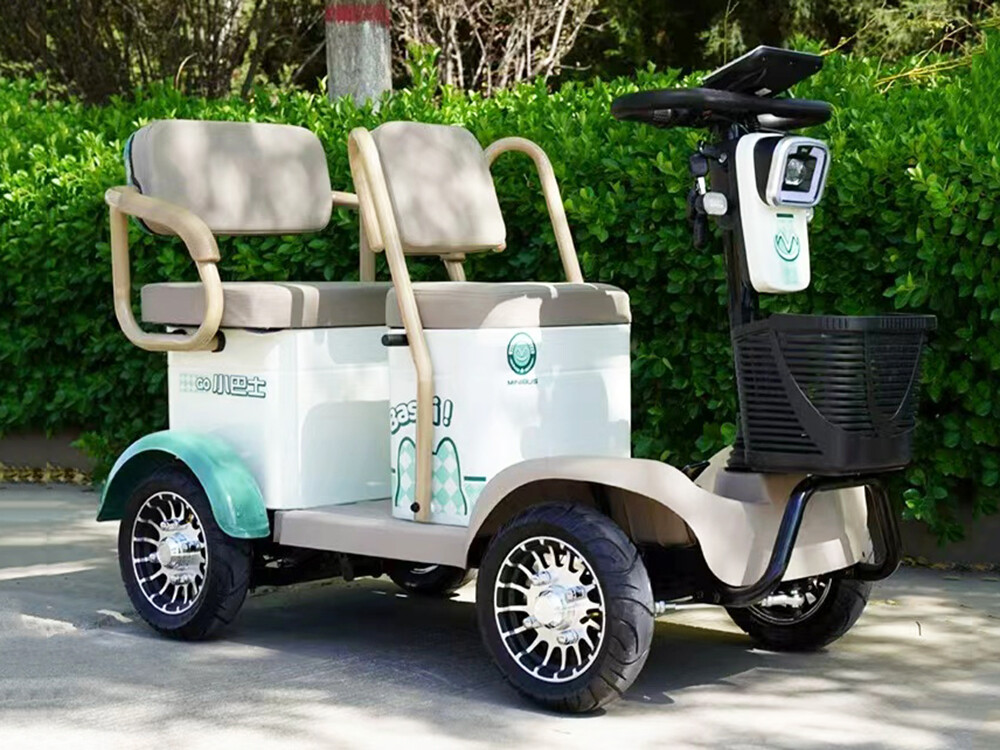
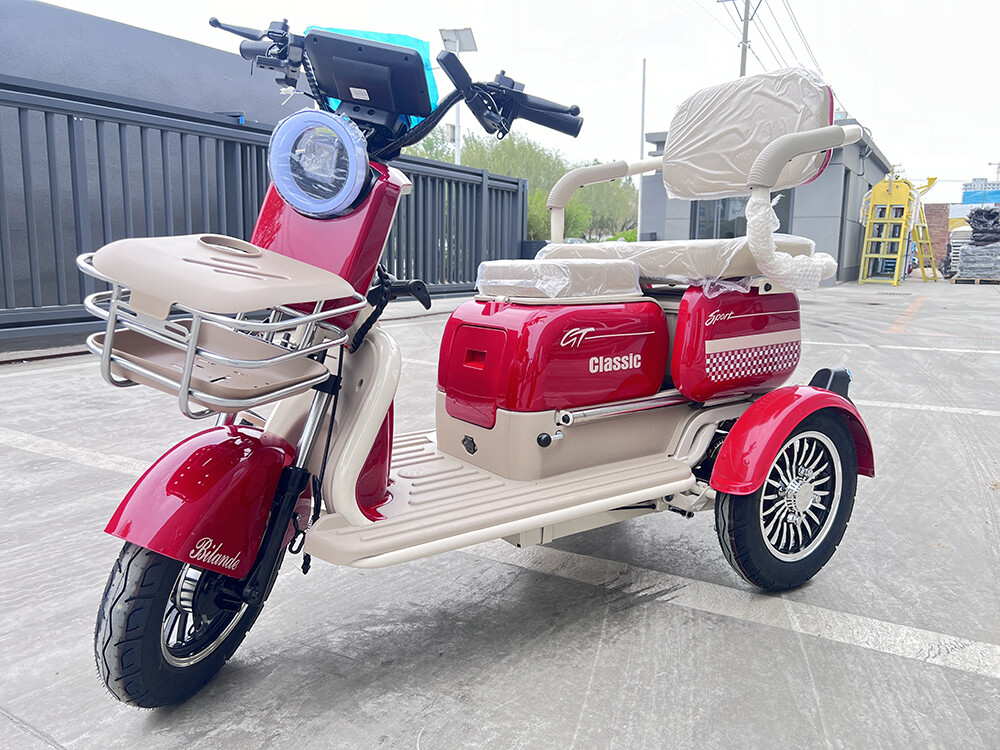
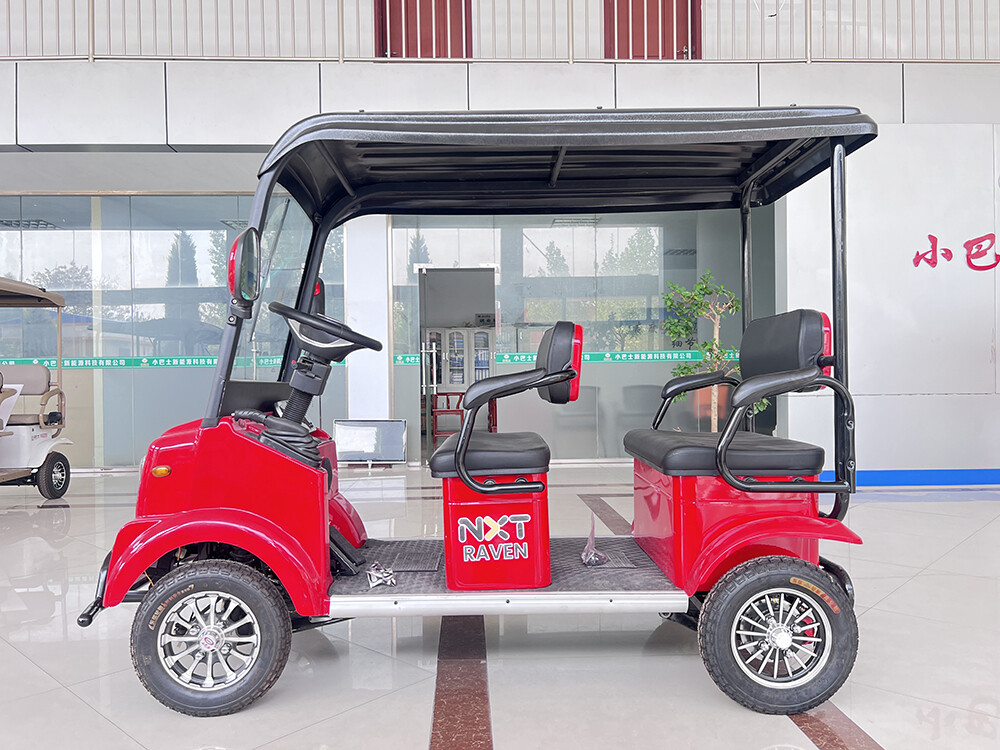
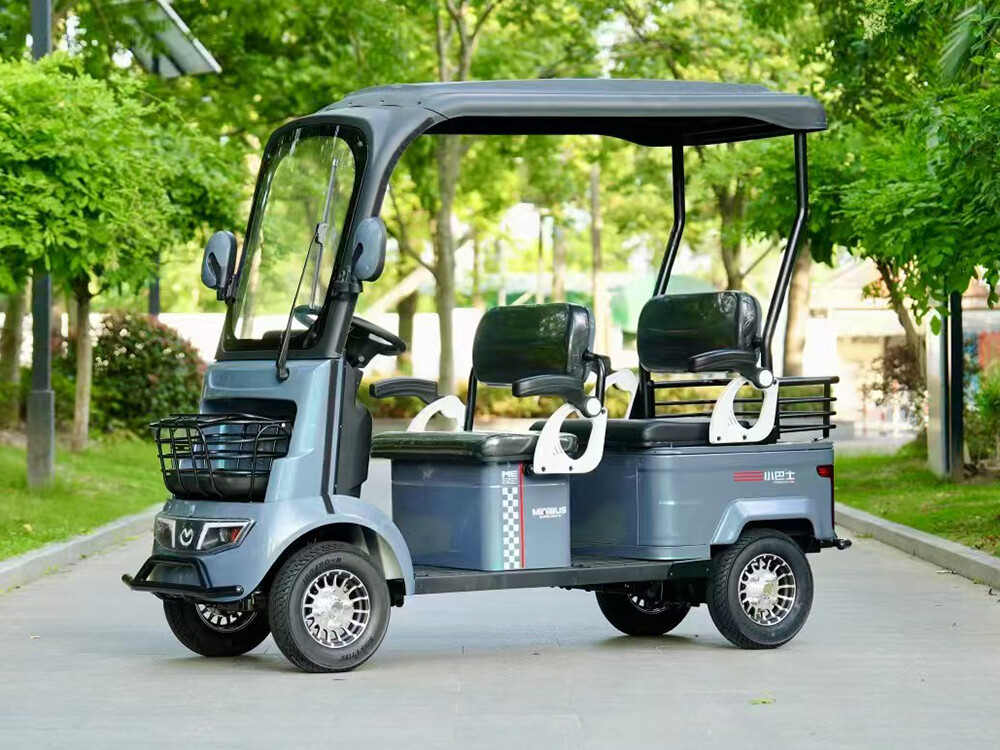
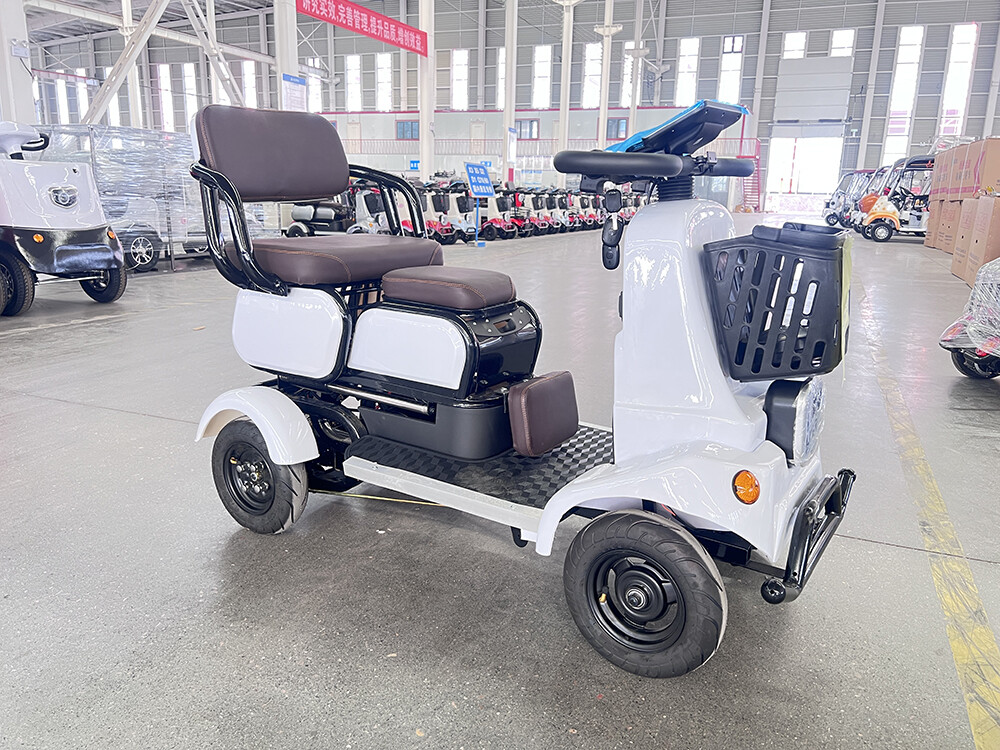
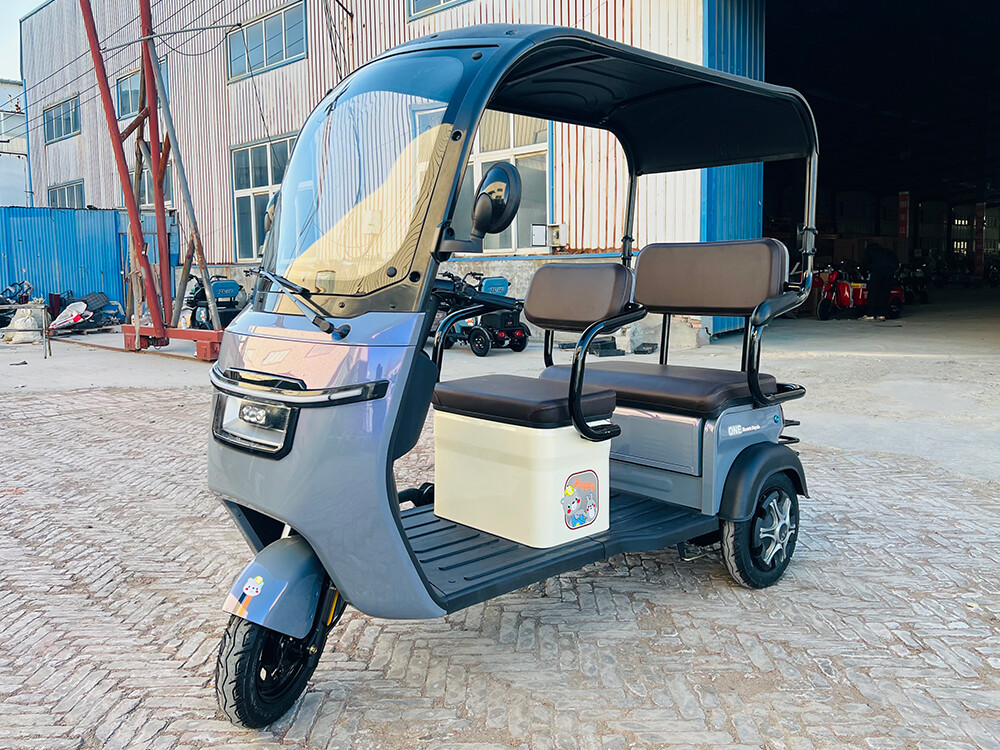
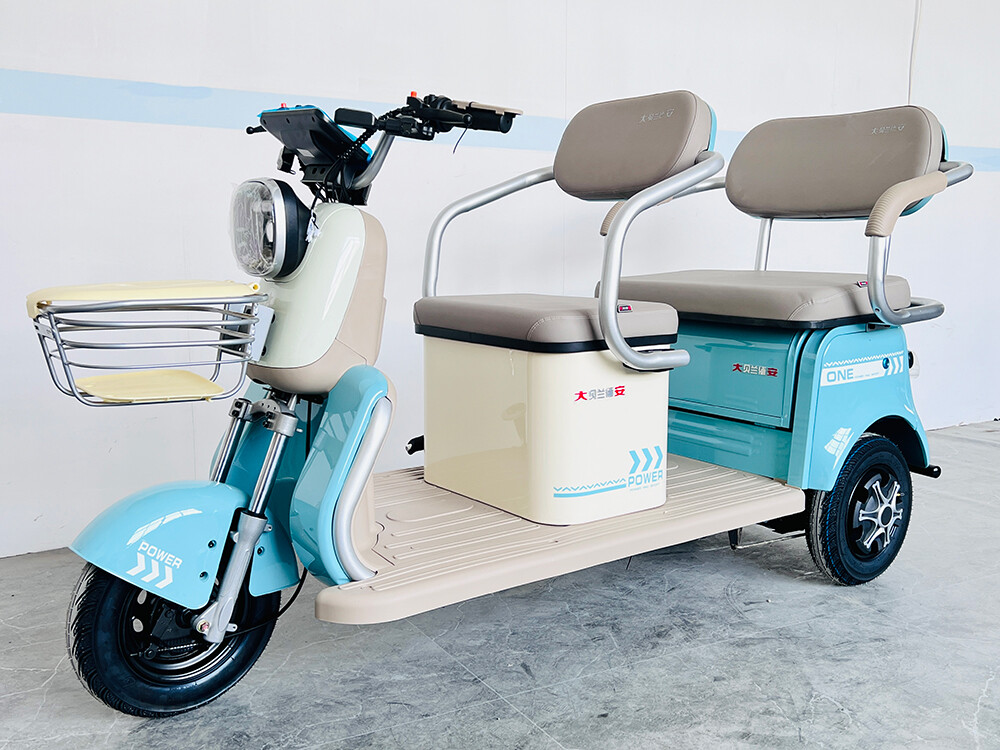
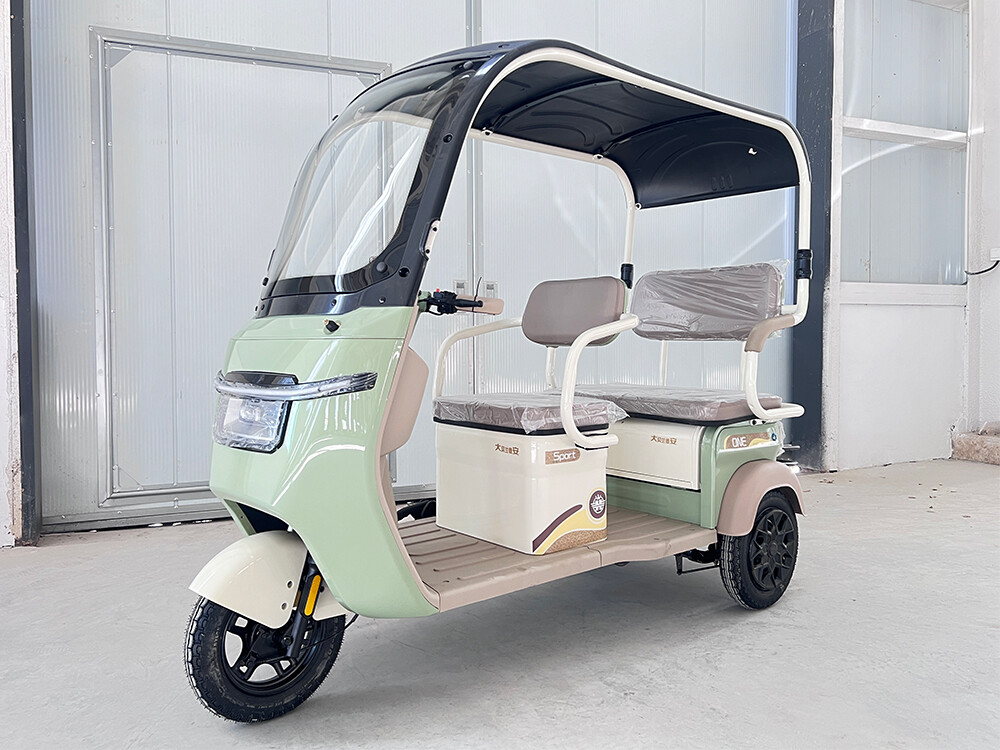
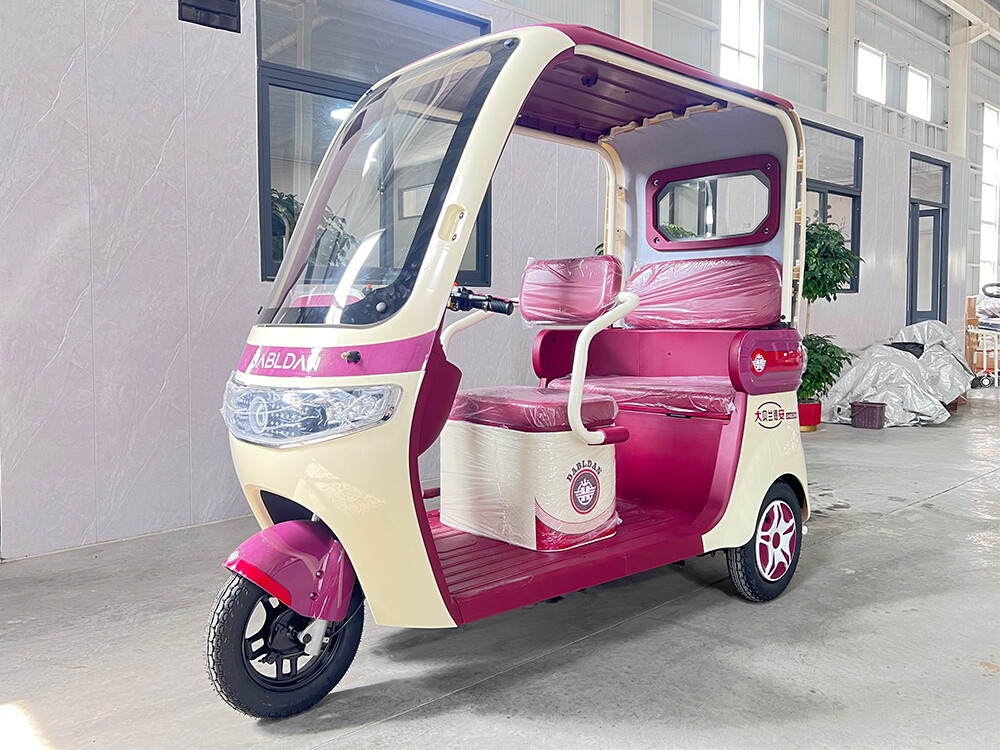
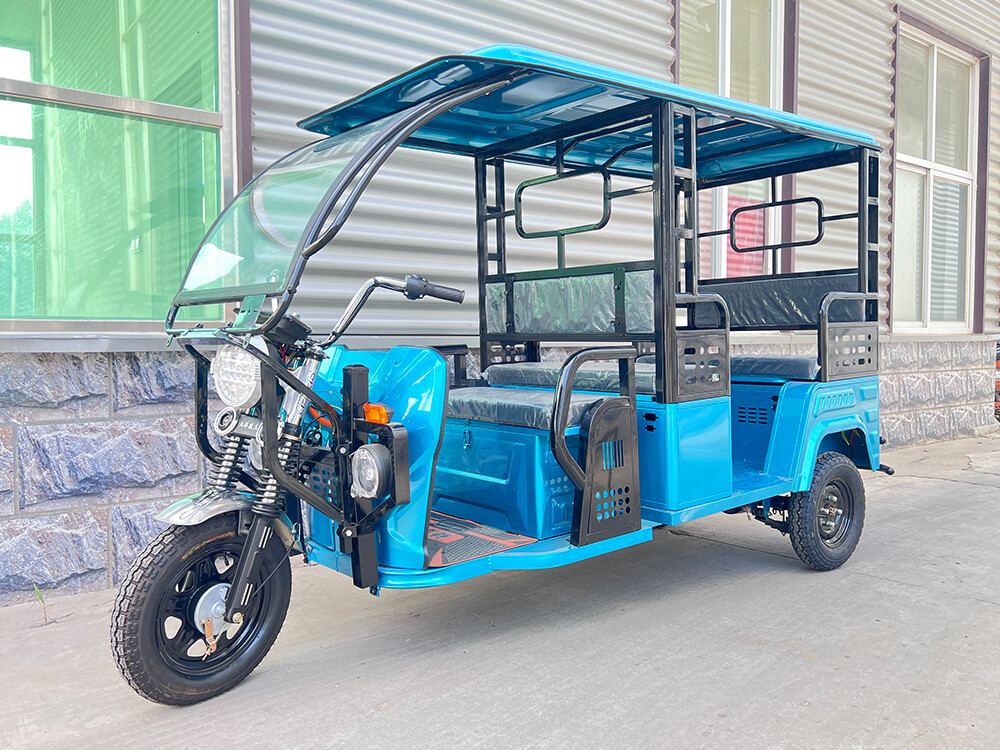
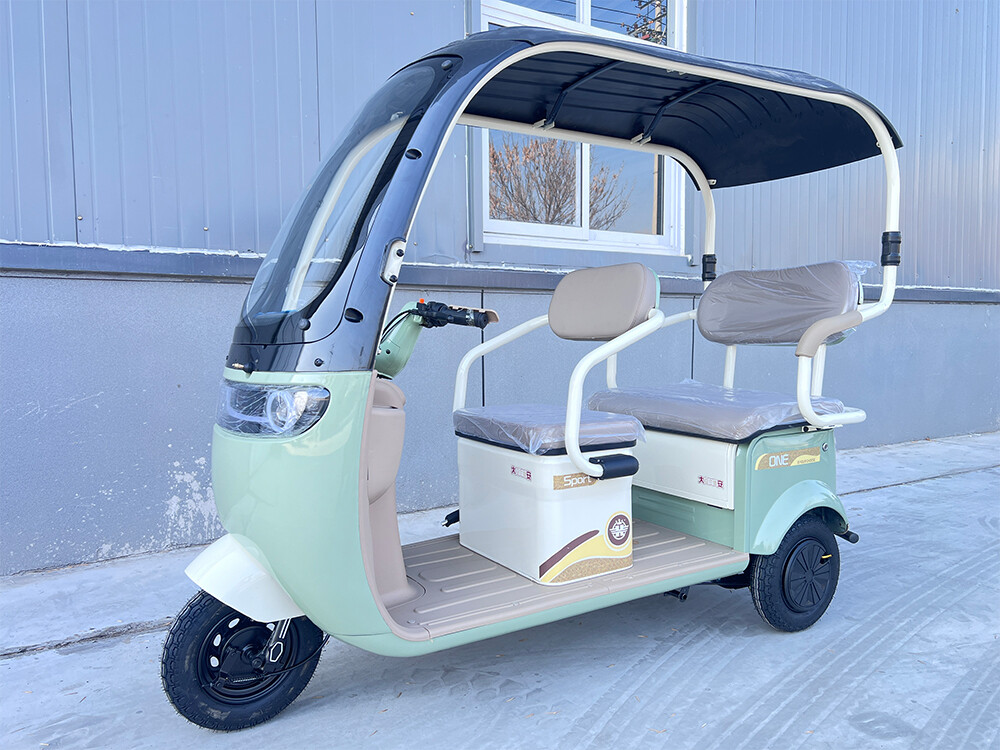
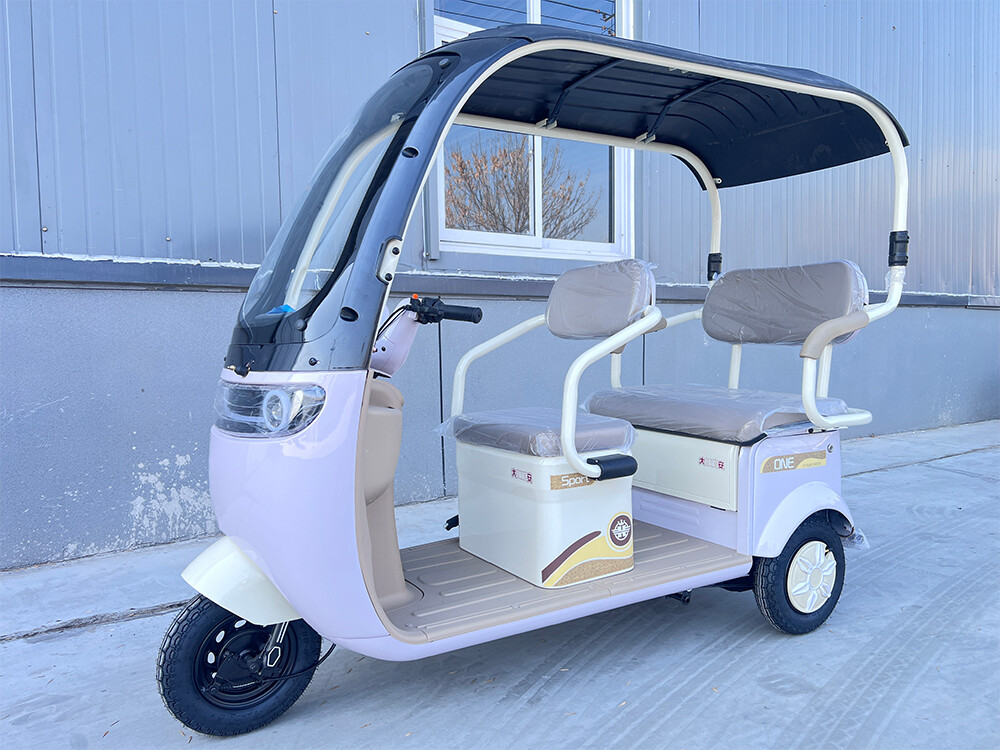
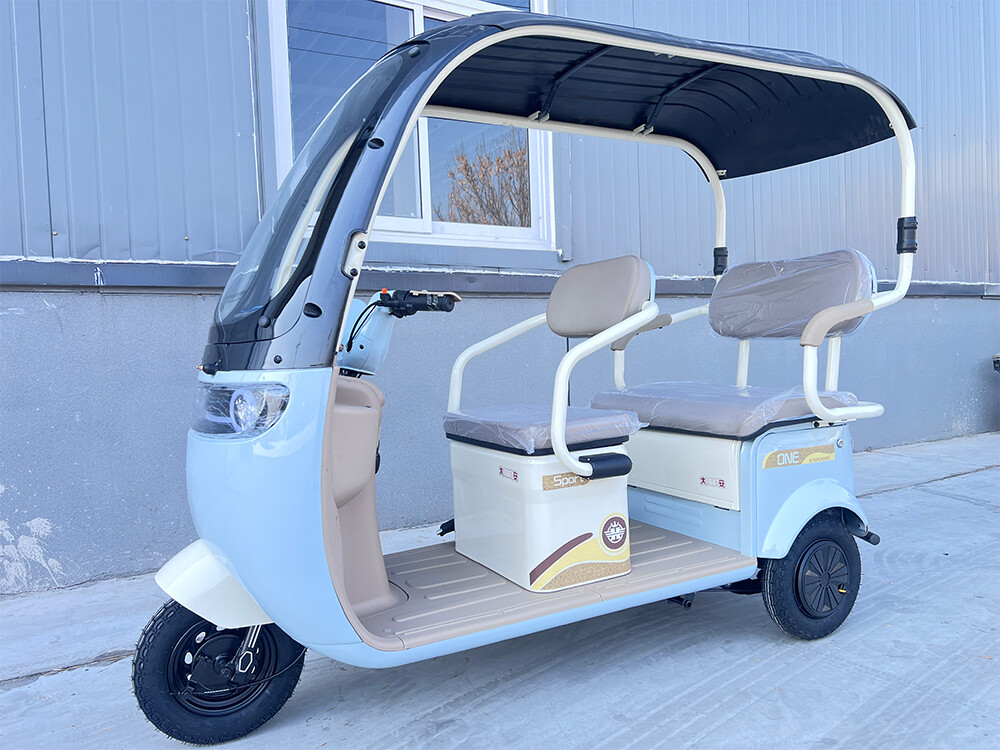
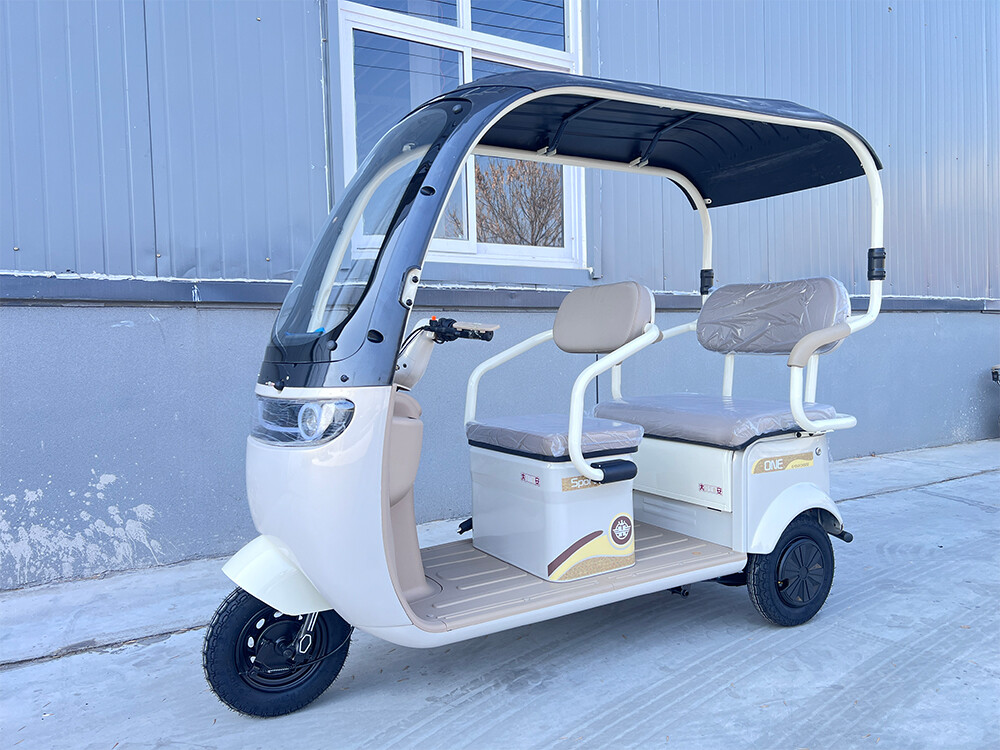
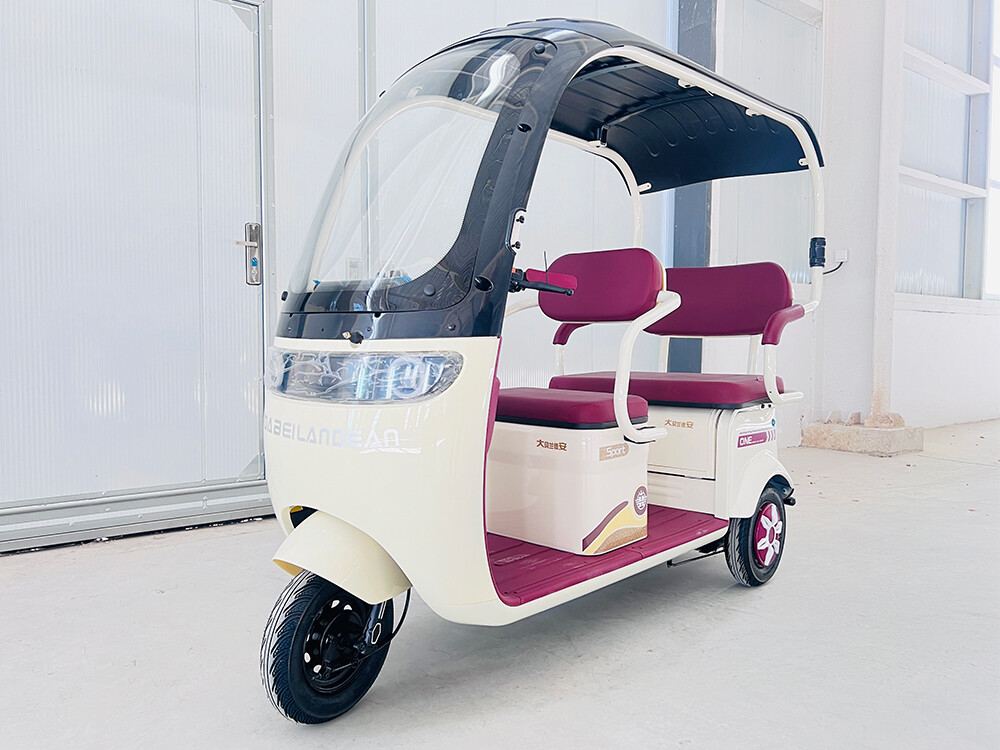
Below is the mainstream architecture design analysis of elderly mobility scooters, combining safety standards with technological innovation:
1. Core Architecture Composition
Frame structure
High-strength steel frame: Adopts over 70% high-strength alloy steel, with impact-resistant steel beams added to key areas, improving impact resistance by 30%.
Modular design: Models feature quick-disassembly roofs for easy maintenance and personalized modification.
Power system
Motor configuration: Mainstream models adopt 1,000-5,000W AC motors, with climbing capability reaching 30°.
Power solution: Lithium iron phosphate batteries (60V 120Ah) dominate, while hybrid models (e.g., all-terrain versions) support pure-electric/fuel mode switching.
Chassis system
Suspension type: Front MacPherson strut + rear trailing arm independent suspension, enhanced by hydraulic shock absorbers for improved damping.
Braking configuration: Four-wheel disc brakes + EBD electronic brake-force distribution reduces braking distance by 15%.
2. Smart Architecture Upgrades
Electronic control system
Smart ECUs enable precise low-speed electric/high-speed fuel matching (hybrid models).
Models with rare-earth motor cores feature BMS battery management systems with overcharge/discharge protection.
Safety assists
Electromagnetic brake systems (standby parking) become standard, with hill descent control enabling automatic speed regulation.
7-inch touchscreen integrates backing cameras and tire pressure monitoring.
Current technological trends indicate elderly mobility scooters are evolving toward lightweight (aluminum alloy applications), smart (voice control), and standardized (national certification compliance) development.About
Contact Us