Search
News Center
- How can I restore my elderly mobility scooter to its original condition after modification?21/08/2025Vintage Bicycle Restoration and Modification Guide
Restoration Operation Procedures
Modification Parts Confirmation - Can an elderly mobility scooter be modified to be roadworthy?21/08/2025Legality Analysis of Retrofitted Vintage Buggy Operation on Public Roads
Retrofit Definitions and Violation Identification - New Energy Elderly Mobility Scooter: In-depth Analysis of Technical Innovation and Market Prospects21/08/2025With the acceleration of China's aging process and the popularization of the concept of green travel, new energy elderly mobility scooters, as the ideal tool for short-distance travel for the elderly, are ushering in unprecedented development opportunities.
- How to choose anode materials for solid-state batteries?21/08/2025The selection of cathode materials for solid-state batteries requires comprehensive consideration of factors such as energy density, cycle life, safety, and cost. Current mainstream technical routes and future development directions are as follows:
- What material systems are available for solid-state batteries?21/08/2025The material system of solid state battery mainly centers around solid state electrolyte, positive electrode material and negative electrode material, and there are significant differences in the performance and application scenarios of different technology routes. The following is the classification and characteristics of the current mainstream material systems:
Product Showcase
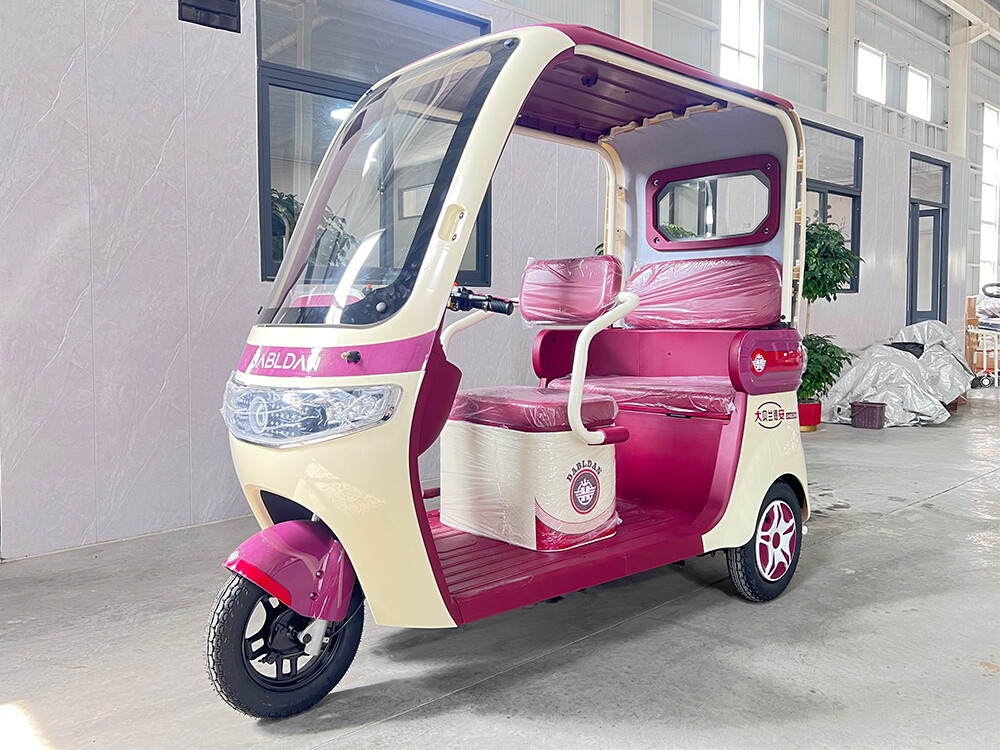
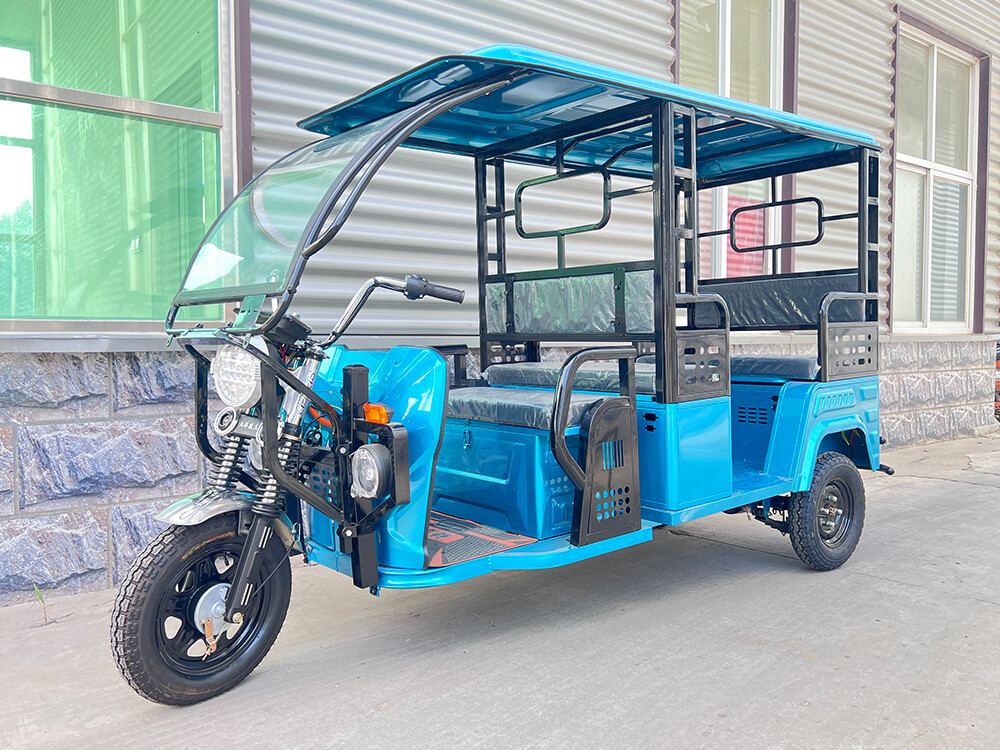
‹
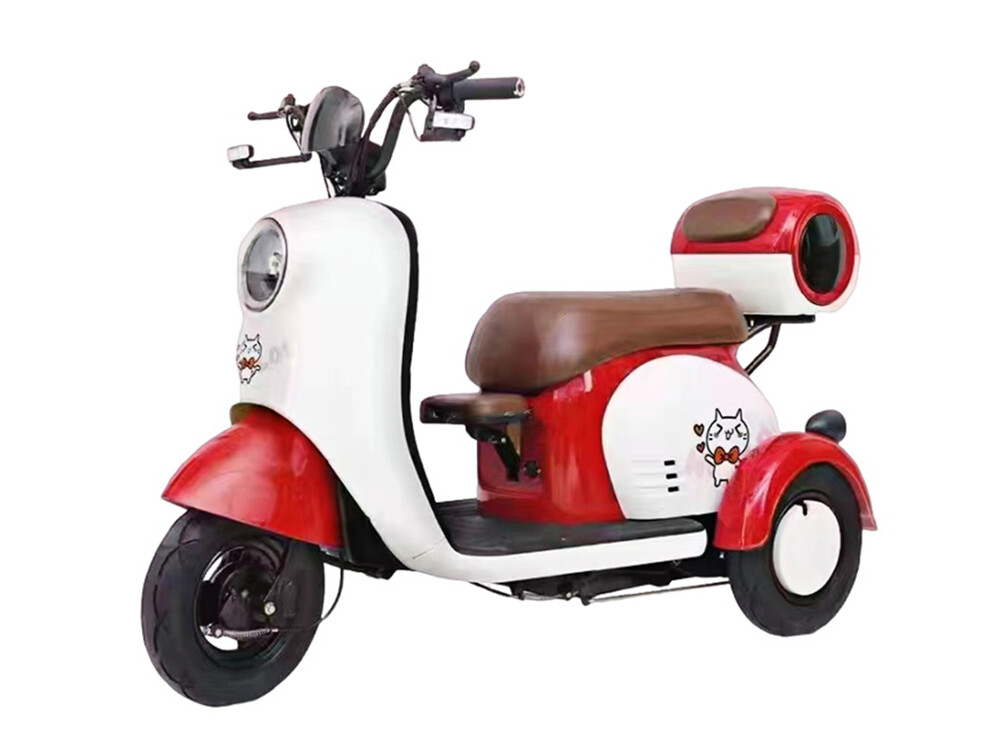
›
‹
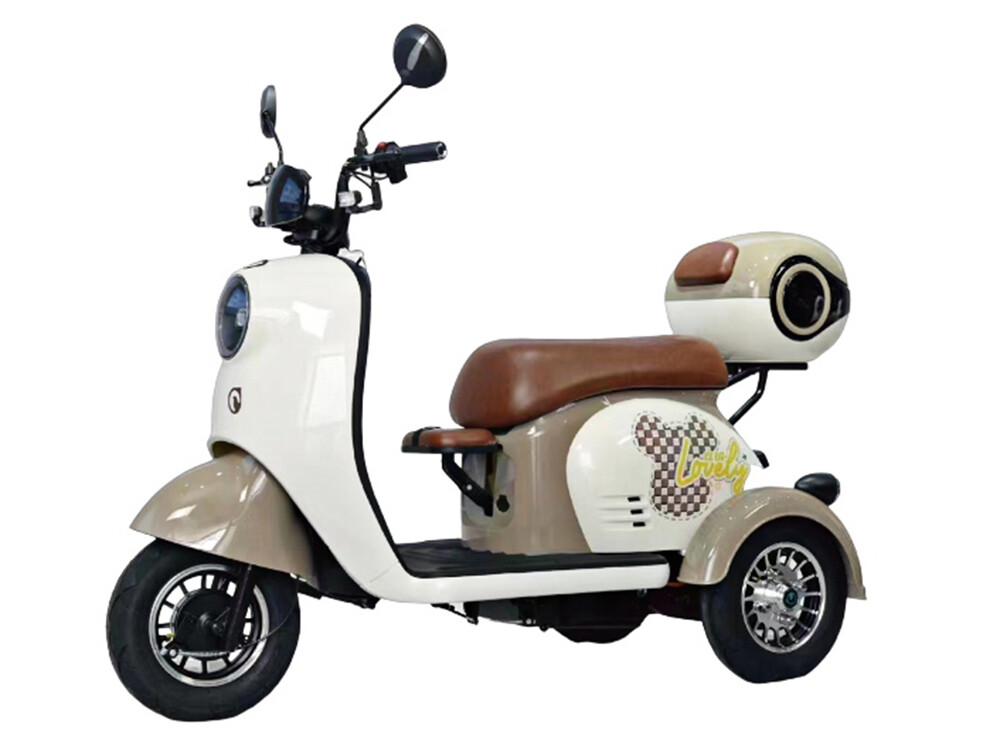
›
share:
 facebook
 twitter
 linkedin
 google+
Standardized operating procedures for detecting tire pressure in elderly strollers, incorporating authoritative testing methods and equipment usage specifications:
1. Pre-test Preparation
Tool Selection
Recommended use of digital tire pressure gauges (error ±0.1bar) or electronic tire pressure monitoring systems
Avoid using analog pressure gauges (requires periodic calibration)
Testing Conditions
Vehicle must remain stationary for ≥3 hours or travel distance ≤1km (cold tire state)
Stable ambient temperature (avoid testing in extreme sun or rain/snow weather)
2. Standard Operating Steps
Valve Stem Treatment
Counterclockwise rotate to remove valve cap, clean valve core with dry cloth
Tire Pressure Measurement
Align pressure gauge interface vertically with valve stem, press firmly until fully sealed (electronic models require audible "beep")
Maintain stable pressure for 10 seconds before reading (analog gauges require observation of stabilized needle position)
Data Comparison
Refer to standard pressure values marked on vehicle B-pillar/fuel tank cap (typically 2.0-2.5bar)
Tire pressure difference between four wheels should be ≤0.2bar (front-drive vehicles may have front wheels 0.1bar higher)
3. Exception Handling
Underinflation
Use air pump to inflate to standard value ±0.1bar range
Overinflation
Gently press valve core to slowly release air, or use pressure gauge's deflation function
4. Precautions
Testing Frequency
Test at least monthly, mandatory check before long-distance trips
Equipment Maintenance
Calibrate pressure gauges biannually, avoid direct sunlight storage
Special Vehicle Types
High-pressure tire vehicles require adjustment according to manufacturer specifications
Recommend prioritizing vehicles with TPMS for real-time pressure monitoring. If persistent abnormalities occur, inspect tires for leaks or valve stem damage.
About
Contact Us